

Common Hiring Mistakes a Creative Staffing Agency Can Help You Avoid

Hiring creative talent is one of the daunting tasks for creative agencies and corporations alike. Corporations struggle a bit more here as they are significantly inexperienced in this area. You post a job. Applications roll in. Portfolios look shiny. Someone says the right things in the interview. You feel hopeful.

Three months later, you are quietly wondering what went wrong.

This happens more in creative roles. Designers, video editors, UI and UX specialists. On paper, they all look capable. In reality, the gap between “good” and “right for your team” is wide.

This is where working with a Creative Staffing Agency in Bangalore can make a real difference. Not because you cannot hire on your own. You can. But because there are patterns. And agencies that focus only on creative talent learn to spot those patterns early.

Let’s talk about the mistakes first.

1. Hiring Based Only on Portfolios

A beautiful portfolio can be misleading. I once worked with a startup that hired a designer purely because her Behance page looked stunning. Clean layouts. Smart typography. Bold concepts. Everyone was impressed.

What no one checked closely was how she handled deadlines, feedback, or collaboration. Turns out, she struggled with revisions and resisted client input. The work was good. The teamwork was not.

Creative hiring is not just about output. It is about the process. Can this person handle messy briefs? Can they work with marketing and product teams without friction?

A Creative Staffing Agency in Bangalore usually digs deeper. They talk to candidates about how they approach projects, not just what the final image looks like. They ask about missed deadlines. About difficult clients. About creative disagreements.

Those conversations matter more than you think.

2. Rushing the Process Because You Are Under Pressure

Deadlines push decisions. You needed a video editor yesterday. The campaign cannot wait.

So, you hire quickly. And maybe it works. Or maybe you spend the next few months fixing rushed decisions. Speed is important. I get that. But speed without structure leads to regret.

Agencies like HoneyHive focus on streamlined hiring, yes. But streamlined does not mean carelessness. It means they already have a network of vetted creative talent. They are not starting from scratch every time you need someone.

Instead of rushing through dozens of random profiles, you get a smaller, curated list. People who already match your role, your pace, maybe even your work culture.

It feels faster because it is organised.

3. Treating Creative Roles Like Generic Positions

Companies use the same hiring template for every role. Same interview format. Same evaluation sheet. Same HR-driven process.

But creative roles are different.

You cannot assess a UI designer the same way you assess an operations executive. You cannot judge a motion graphics artist through standard HR questions alone.

Creative hiring needs context. You need someone who understands the difference between a good logo and a strategic brand identity. Someone who knows that not all video editors are storytellers.

A specialised Creative Staffing Agency in Bangalore works within the creative industry daily. They understand nuances. They know that a designer who thrives in a fast-paced agency might feel lost in a slow corporate setup. And vice versa.

That kind of insight saves time. And awkward exits.

4. Ignoring Cultural Fit Until It Is Too Late

Skill gets attention. Culture gets ignored. Then suddenly, you have someone who delivers good work but drains the room. Or someone who needs constant direction in a team that values independence.

Cultural fit sounds vague. I know. It is easy to dismiss.

But think about your current team. How do they communicate? Do they prefer structure or creative chaos? Do they brainstorm loudly or work quietly?

A good creative staffing partner asks these questions before suggesting candidates. They try to match not just skill sets, but working styles.

At HoneyHive, tailored staffing is not a buzz phrase. It is practical. It means understanding your team dynamic before introducing a new person into it.

Because replacing a bad cultural fit costs more than just money. It affects morale.

5. Overlooking Long Term Growth Potential

Sometimes, hiring managers focus only on the current project.

You need someone to design social media posts. So, you hire for that narrow task.

Six months later, your brand evolves. You need someone who can think about campaign strategy, maybe mentor junior designers. But your hire cannot stretch into that space.

And now you are hiring again.

Creative professionals value growth. They want roles that challenge them. Agencies that specialise in creative recruitment often look at where a candidate wants to go, not just where they are today.

That future lens matters. It reduces turnover. It creates stronger teams.

6. Trying to Manage Everything Internally

There is this belief that outsourcing recruitment means losing control.

Honestly, I used to think that too.

But working with a focused creative staffing agency does not mean stepping back entirely. It means sharing the load. You still make the final decision. You still meet the candidates.

The difference is that you are not buried under resumes that barely match your requirements.

For HR heads juggling multiple departments, or creative directors who would rather spend time on strategy than screening CVs, this support can feel like breathing space.

And in a competitive city like Bangalore, where creative talent moves fast, having a partner who tracks that movement helps.

Why It Matters Now

The creative industry is crowded. Designers have options. Video editors get freelance offers daily. UI and UX professionals switch roles often.

If your hiring process is slow, unclear, or generic, you lose good people before you even realize they were interested.

A Creative Staffing Agency in Bangalore like HoneyHive, understands the local talent market. They know salary expectations. They know which skills are in demand. They see patterns across companies.

You could figure it all out yourself. With time. And trial. And a few hiring mistakes along the way.

Or you could work with a team that already lives in that world.

Maybe the real question is not whether you can hire on your own.

It is whether you want to keep learning the hard way.
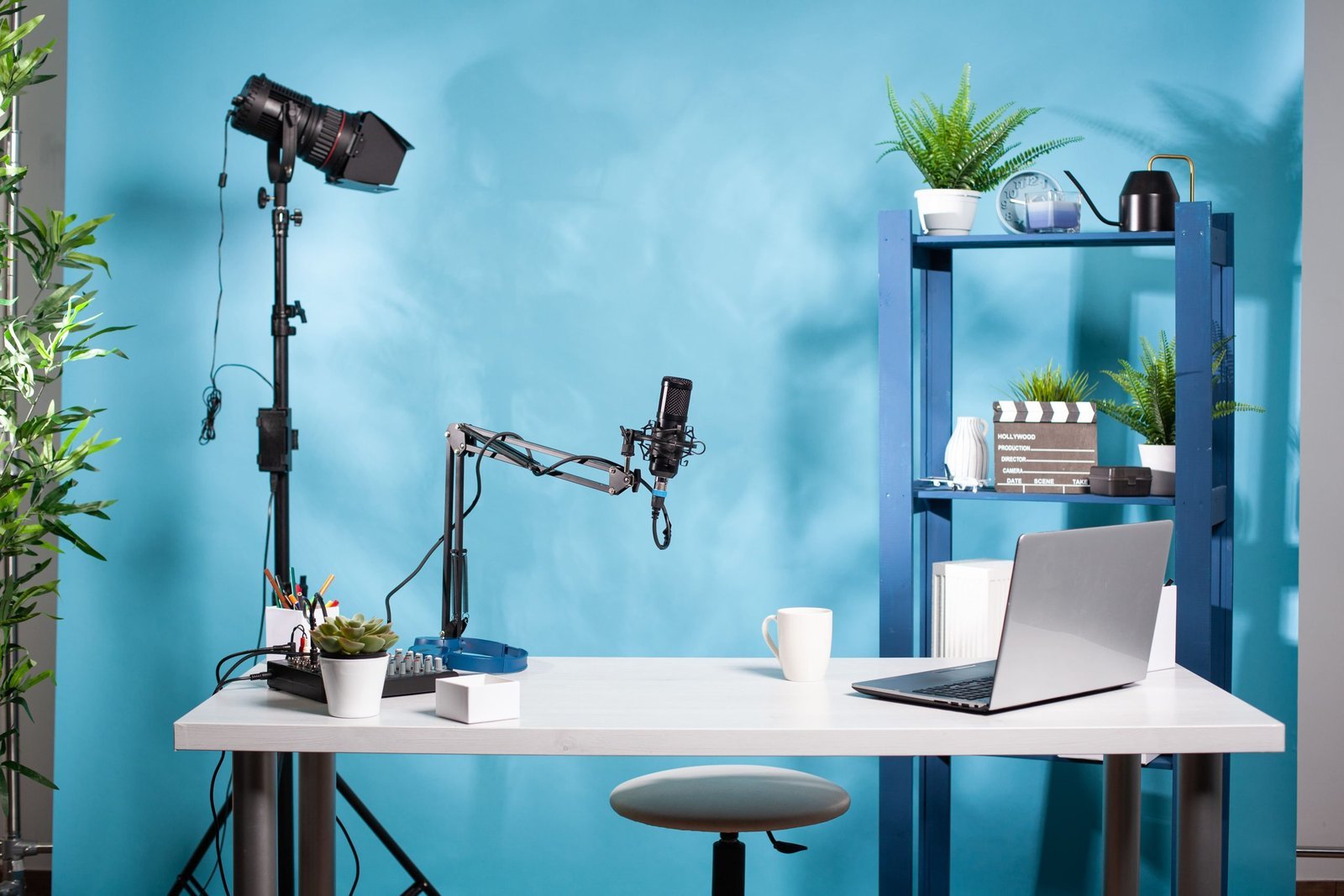
How to Design a Creative Studio Setup That Boosts Productivity?

When people hear “creative studio,” they often picture exposed brick walls, bean bags, and a neon sign that says something clever.

That’s not really what I mean.

A creative studio, at least in the way most growing brands need it, is not just a room. It’s a working system. It’s graphic designers, visualisers, art directors, and creative directors. It’s a video team with directors, videographers, editors, and animators. It’s an SEO team quietly tracking performance while the web design and development team builds the digital foundation.

It’s the engine behind a brand’s campaigns, website, social media, and content.

And if you are thinking about building a Creative Studio Setup in Bangalore, you are probably not doing it for aesthetics. You are doing it to boost your brand. To move faster. To stop juggling five different vendors. To get your creative work under one roof.

Let’s talk about what that really involves.

What a Creative Studio Actually Does?

Before layout. Before furniture. Before hiring.

Clarity.

A proper creative studio supports:

  • Corporate design and brand identity
  • Social media content and campaigns
  • Website design and development
  • SEO strategy and execution
  • Video production from concept to final edit

This means multiple teams working side by side. Sometimes literally. Sometimes, just in workflow.

A graphic designer should be able to turn to the SEO lead and ask, “What keyword are we targeting here?”
A video editor should understand the brand tone the creative director set last month.
The web developer should know what visuals are coming before building the landing page.

If your studio design isolates these teams too much, productivity drops. If it’s too chaotic, focus disappears.

So balance matters.

Designing the Space for Real Collaboration

In a Creative Studio Setup in Bangalore, space can be tight. Office rent is no joke. So you have to be intentional.

Start by mapping team functions.

Graphic Design Team

Designers and visualisers need:

  • Large monitors
  • Table space for sketching or notes
  • Quiet focus zones

Creative directors and art directors need:

  • Visibility across projects
  • Quick access to teams
  • A semi-private space for review meetings

Video Team

They need:

  • Editing bays with controlled lighting
  • Storage for equipment
  • Sound-friendly areas for rough cuts and voice recordings

SEO Team

They don’t need flashy setups. They need:

  • Dual monitors
  • Strong internet
  • Access to data dashboards
  • A distraction-managed corner

Web Design and Development Team

They need:

  • Clean desk setups
  • Technical infrastructure
  • Easy collaboration with designers and SEO

It’s tempting to lump everyone into one open hall. Sometimes that works. Sometimes it becomes noisy and unfocused.

I’ve seen studios try to make everything open and “creative.” It looked good. It felt exhausting.

Maybe break the space into zones. Quiet editing area. Open collaboration table. Small meeting room for strategy discussions. Even glass partitions help. Not to separate people emotionally, just to reduce friction.

Workflow Is Part of the Setup

A creative studio is not just desks and chairs. It’s how work flows.

Imagine this:
The SEO team identifies a new opportunity. They brief the design team. The design team creates visuals. The video team supports with reels. The web team updates landing pages. All within the same ecosystem.

If these teams sit in completely different places, communication slows down.

That’s why some brands prefer setting up a studio in their own office. A Creative Studio Setup in Bangalore at the client’s location allows daily alignment with internal marketing and leadership teams.

Other brands prefer an external setup. That’s where HoneyHive and Honeycomb come in. The studio can operate from Honeycomb’s space, functioning as an extended creative arm for the brand.

Both models work.

It depends on your scale, culture, and control preferences.

The People Make the Studio

You can design the perfect layout. Invest in great chairs. Install top-tier systems.

If the team is mismatched, the studio will struggle.

This is where HoneyHive’s approach becomes practical. They focus on tailored staffing for creative industries. Instead of generic hiring, they build teams that match the specific creative demands of a brand.

For example:

  • A corporate brand may need structured designers who respect brand guidelines.
  • A startup might need experimental thinkers who move fast.
  • An enterprise SEO strategy may require analytical depth and technical precision.

The studio’s productivity depends on hiring the right mix. Not just talent. Temperament. Communication style. Pace.

A creative director who cannot collaborate will slow down even the best designer. An SEO lead who cannot explain strategy will confuse the web team.

When HoneyHive sets up a studio, whether at the client’s office or at Honeycomb, they don’t just fill roles. They build an ecosystem.

That’s the difference.

Infrastructure That Supports Growth

Let’s talk about the basics for a moment.

Strong internet. Backup power. Centralized storage. Clear file structures. Regular review meetings. These sound obvious.

But in Bangalore, where businesses scale quickly, many studios outgrow their setup within a year.

Plan for growth early.

  • Leave space for two extra desks.
  • Build shared systems for assets.
  • Create clear approval workflows.
  • Define reporting structures for SEO, design, and video.

A studio that cannot scale becomes chaotic.

Why Are Brands Moving Toward Integrated Studios?

Fragmented creative support is tiring. One agency for SEO. Another for design. A freelancer for video. A separate vendor for web development. You spend more time coordinating than creating.

An integrated Creative Studio Setup in Bangalore brings all creative functions into one cohesive team. It increases speed. It reduces communication gaps. It creates consistency in branding. And when that studio is structured thoughtfully, with the right talent and layout, productivity follows almost naturally.

Not perfectly. No studio is perfect. There will be deadlines. Late nights. Last-minute changes. That’s creative work. But when the structure supports the people, and the people understand the brand, the chaos feels manageable. And maybe that’s what a good creative studio really is. Not just a workspace. Not just a team. A system that helps a brand move forward, steadily, creatively, and with a little less friction each day. Visit: https://www.honeyhive.in/.